Extended Warranties for Used Car Buyers: Everything You Need to Know
Posted Monday, May 18, 2026
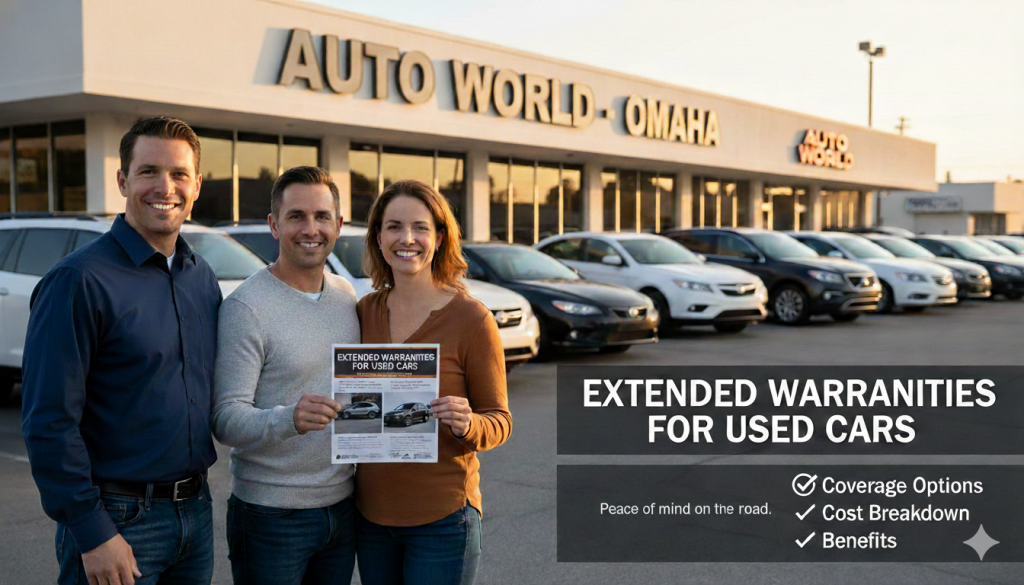
Buying a used car is one of the biggest purchases many people make, and understanding extended warranties, car warranties, and warranty coverage can save you from unexpected repair bills. Whether you’re purchasing a certified pre-owned car or shopping at local used car dealerships, knowing how extended car warranties work, what warranty companies offer, and whether to buy an extended warranty for your used vehicle will help you make a confident choice.
What are extended warranties and how do extended car warranties differ from a factory warranty?
Extended warranties, often sold as service contracts, are additional coverage you can purchase after the original factory warranty expires. A factory warranty or original manufacturer’s warranty typically covers new vehicles for a set warranty period and mileage, protecting major components under bumper-to-bumper and powertrain coverage. Extended car warranties for used cars extend that protection and can be sold by a dealership, third-party warranty provider, or a direct-to-consumer warranty company.
When considering buying an extended warranty, compare inclusionary vs exclusionary plans. Exclusionary plans resemble factory warranty coverage by covering most vehicle components except listed exclusions. Inclusionary or powertrain-only plans focus on engine, transmission, and drivetrain. Pay attention to the fine print—deductible terms, covered repairs, and whether routine maintenance like oil changes or wear and tear items are required to keep coverage valid.
How does warranty coverage for a used car work and what does warranty cover?
Warranty coverage varies by warranty company and plan. Typical warranty cover options include bumper-to-bumper and powertrain; bumper-to-bumper is broader and covers many vehicle components except routine maintenance and normal wear and tear. Powertrain warranties focus on engine, transmission, and major drivetrain parts. Many extended warranties also include roadside assistance, rental car reimbursement, and emergency towing.
Be sure to check if the warranty will cover aftermarket or original equipment parts, how claims are approved, and whether repairs must be performed at a dealer or an approved repair facility. Warranty providers may require a deductible per repair visit and may limit coverage based on mileage or the car’s age. Knowing the warranty period and what warranty would cover helps you estimate whether the warranty costs justify the potential repair savings.
When buying a used car, should you buy an extended warranty for a used vehicle?
Deciding whether to buy an extended warranty depends on the car’s age, mileage, reliability history, and your risk tolerance. If you’re buying a pre-owned vehicle with high mileage or a model known for costly repairs, purchasing an extended warranty can provide peace of mind and potentially cover the cost of major repairs. For lower-mileage, newer used cars still under original factory warranty or CPO warranty, extra coverage may be redundant.
Consider factors like deductible levels, transferability of the policy (transferable warranties can increase resale value), and whether the warranty company has strong reviews with the Better Business Bureau. Compare quotes from dealer-offered plans, third-party warranty firms, and direct-to-consumer providers to get the best balance of coverage and warranty costs before purchasing a used car or buy an extended warranty add-on from the dealer.
What are the typical warranty costs and how are extended warranty prices determined?
Warranty costs depend on vehicle make and model, age, mileage, coverage level, deductible, and warranty period. Newer vehicles and lower-mileage cars usually qualify for cheaper extended warranties. The warranty provider will factor repair cost history and parts pricing into the price. Extended warranties often are built into the purchase price when sold by dealerships, which can include markup compared to direct-to-consumer warranty companies.
To evaluate warranty costs, get itemized quotes showing what the extended warranty will cover and any exclusions. Ask whether the warranty for your used car is prorated, whether there are claim limits, and if additional coverage like roadside assistance is included. Use the warranty cost estimate to compare against expected repair costs for the car you buy and determine if the warranty would cover common failures based on that model’s known issues.
How do certified pre-owned (CPO) cars and CPO warranty coverage relate to extended warranties?
CPO cars usually include a manufacturer’s extended warranty or cpo warranty that often offers better factory warranty coverage than typical used vehicles. Certified pre-owned programs generally require a vehicle inspection, and eligible models may receive extended car coverage, roadside assistance, and a limited bumper-to-bumper or powertrain warranty. CPO warranty coverage can be a strong reason to buy a certified pre-owned car rather than seeking a third-party extended warranty immediately.
If a CPO car’s warranty will soon expire, you can purchase additional warranty coverage or purchase an extended warranty for your used car that begins after the CPO warranty period. Verify whether the warranty is transferable, if it covers original equipment and factory parts, and whether the company providing the CPO warranty is the manufacturer or a dealer-backed warranty company.
What does the warranty provider or warranty company process look like when you need a repair?
When you file a claim, the warranty company will typically verify coverage, confirm the issue is a covered repair, and authorize the repair facility to proceed. Depending on the plan, you may need to use dealership service centers for the warranty to cover repairs or you may be able to choose any licensed repair shop. Keep detailed service records—routine maintenance like oil changes and scheduled services are often required to maintain coverage.
Expect steps like a preliminary inspection, potential diagnostic fees, and an approval process. Third-party warranty companies vary widely in responsiveness, so check records, online reviews, and the Better Business Bureau ratings before purchasing. Know whether a deductible applies per claim and whether the warranty will cover used car parts or require OEM parts for covered repairs.
Which vehicle models and features should buyers consider when assessing extended warranty value?
When purchasing a used vehicle, consider common models across categories to evaluate repair risk and potential warranty benefits. Popular models and features to assess include: Toyota Camry and Corolla (reliability, lower repair frequency), Honda Accord and Civic (strong resale, common parts availability), Ford F-150 and Chevrolet Silverado (truck drivetrain wear and potential high repair costs), Subaru Outback and Forester (boxer engine and AWD components), Nissan Altima and Sentra (transmission considerations), BMW 3 Series and Mercedes C-Class (higher repair costs for luxury components), Hyundai Sonata and Kia Optima (good warranties when newer), and SUVs like Toyota RAV4, Honda CR-V, and Ford Escape with specific hybrid or turbocharged engine concerns.
Feature considerations: turbocharged engines and direct-injection systems can lead to higher repair costs; advanced electronics, infotainment, ADAS safety features, and hybrid systems add complexity and cost. List of models and typical features helps buyers compare expected maintenance and decide whether extended car warranties will cover expensive components like transmissions, hybrid battery systems, or advanced driver-assistance components.
Are third-party warranty companies reliable and how do dealer warranties compare?
Third-party warranty companies can offer competitive pricing and flexible plans, but reliability varies. Research warranty companies, check their standing with the Better Business Bureau, read user reviews, and confirm claim payout ratios. Verify whether the provider pays shops directly or reimburses you. Direct-to-consumer warranty companies sometimes offer lower prices because they bypass dealer markup, but coverage terms can differ significantly.
Dealer warranties, including those sold at car dealerships and used car dealers, may be convenient and bundled into financing, but they can be more expensive. Dealer-backed plans sometimes include added perks like free maintenance plans or immediate roadside assistance. Confirm whether the dealer’s warranty company is an insurer or an administrative firm and read the fine print to ensure the warranty will cover the repairs you care about most.
What exclusions and fine print should buyers watch for in a warranty for a used car?
Fine print often contains exclusions for normal wear and tear, maintenance items (like brake pads, wiper blades, and oil changes), and pre-existing conditions. Exclusionary warranties list covered items; inclusionary warranties list exclusions. Watch for mileage thresholds, required maintenance records, and clauses about aftermarket modifications voiding coverage. Some plans may not cover certain vehicle components, such as hybrid batteries or electronic modules, or may limit cover the cost for specific parts.
Ask explicit questions: Will the warranty cover both bumper-to-bumper and powertrain failures? Are rental car reimbursements provided? Is there a cap on payouts per repair or per policy term? Understanding these details prevents surprises and helps determine whether the extended warranty will truly protect your investment in a used vehicle.
How transferable are extended warranties and can they increase resale value?
Many extended warranties are transferable, meaning if you sell the used car, the new owner can receive remaining coverage. Transferable warranties can make a used car more attractive and increase its resale value, especially for models with potential high repair costs. Ensure the terms for transferring the warranty are clear, whether there is a transfer fee, and how to complete the paperwork with the warranty company.
If you plan to keep the car long-term, a longer warranty period or lower deductible may be more valuable. If resale within a few years is likely, prioritize transferable coverage and document all service records to maintain the warranty’s value for potential buyers. Many buyers search for used cars for sale with transferable coverage when shopping at used car dealerships and used car dealers.
How do I decide whether to buy an extended warranty — step-by-step checklist?
Use this checklist when deciding whether to purchase an extended warranty:
- Check the car’s age and mileage and whether the original factory warranty or CPO warranty still applies.
- Research the model’s reliability, common problems, and repair costs for major components.
- Obtain quotes from dealership warranty providers, third-party warranty companies, and direct-to-consumer firms.
- Compare coverage levels (bumper-to-bumper vs powertrain), deductibles, exclusions, and warranty period.
- Check warranty company reviews, BBB ratings, and whether the warranty is transferable.
- Estimate expected repair costs over the warranty period and compare against warranty costs to decide whether purchasing a warranty is worth it.
Following these steps will help you decide whether buying an extended warranty or additional warranty coverage makes financial sense for the used car you buy and whether the warranty will cover the car’s major risks.
Conclusion: How Extended Warranties Work on Used Cars (Is It Worth It?)
Extended warranties can be a valuable safety net for used car buyers, especially when purchasing older or higher-mileage vehicles or models with known expensive repairs. Understanding warranty coverage, warranty costs, deductible terms, transferability, and the fine print will help you determine whether to buy an extended warranty. Compare dealer plans, third-party warranty companies, and CPO warranty benefits to choose the best option.
Everything you need to know about extended warranties for a used car is about balancing upfront warranty costs against the risk of covered repairs, checking whether the warranty will cover the components you care about, and ensuring the warranty company is reputable. If you're shopping locally, consider talking with trusted used car dealerships and used car dealers to explore options. For buyers in Nebraska, Auto World – Omaha, a Used Car Dealership in Omaha, NE, offers a range of used cars for sale and can advise on factory warranty coverage, CPO cars, and additional warranty coverage to help you make an informed purchase from reputable car dealerships and dealer networks.
FAQs: Extended Warranties for Used Car Buyers
- What is an extended warranty on a used car?
An extended warranty is aservice contract that covers certain repairs after the factory warranty expires. - What does an extended car warranty typically cover?
It usually coversmajor components like the engine, transmission, and drivetrain, depending on the plan. - Is it worth buying an extended warranty for a used car?
It depends on the car’s reliability and mileage—it's most useful forolder or high-mileage vehicles with higher repair risk. - How much does an extended warranty cost?
Costs vary based onvehicle type, mileage, age, coverage level, and deductible amount. - Can I buy an extended warranty later after purchasing the car?
Yes, many providers allow you topurchase coverage anytime before the original warranty expires.