Future of Electric Vehicles: EV Technology in 2025
Posted Tuesday, Sep 09, 2025
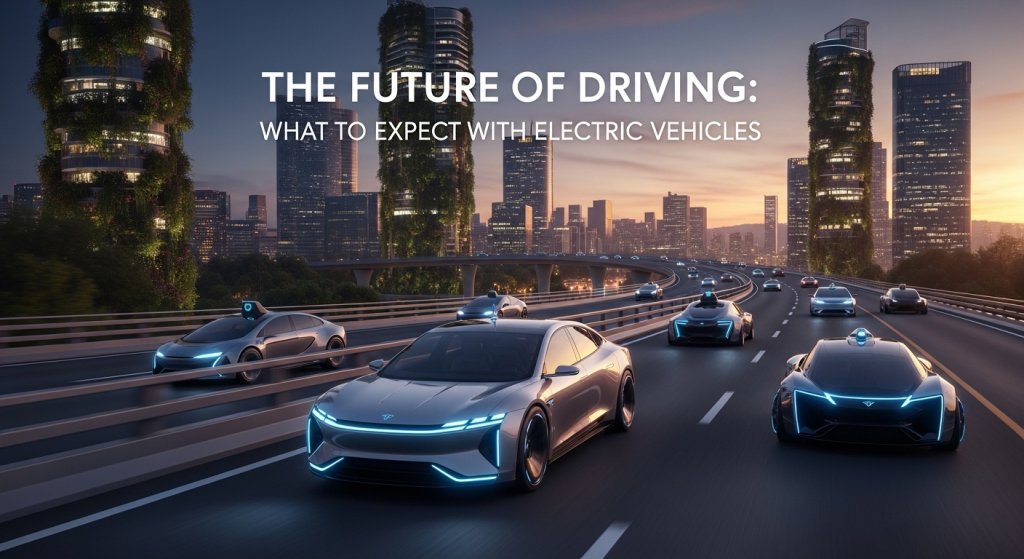
The Future of Driving: What to Expect with Electric Vehicles
The transition to electric vehicles is reshaping the automotive landscape. As traditional combustion engines face increasing scrutiny over emissions and sustainability, electric vehicles (EVs) are emerging as a viable solution for a low-carbon future. Understanding the advancements and expectations for electric vehicles is crucial for consumers, manufacturers, and policymakers alike.
What Are the Key Features of Electric Vehicles?
Electric vehicles are designed with cutting-edge technology that enhances their efficiency and sustainability. Key features include:
- Electric Motors: Unlike conventional vehicles, EVs utilize electric motors, which provide instant torque and a smoother driving experience.
- Battery Technology: Modern EVs are equipped with advanced battery systems that offer extended driving ranges. Manufacturers are continuously innovating to improve battery performance and reduce costs.
- Charging Infrastructure: The growth of public charging stations is essential for EV adoption. More charging points mean greater convenience for drivers.
How Will EVs Impact Driving Habits?
The shift to electric vehicles is not just about new technology; it also influences driving habits. Here’s how:
- Range Awareness: With most electric vehicles providing a driving range of around 300 miles, drivers need to plan their trips with charging stations in mind.
- Home Charging: Many EV owners charge their vehicles at home, which alters the daily routines and logistics around fueling.
- Efficiency Over Speed: EVs encourage a more efficient driving style, which can lead to longer battery life and reduced energy consumption.
What Are the Benefits of EV Adoption?
Switching to electric vehicles offers several advantages:
- Lower Emissions: EVs produce significantly less carbon dioxide compared to internal combustion engine vehicles, contributing to cleaner air.
- Cost Savings: While the initial cost of EVs may be high, savings on fuel and maintenance can add up over time.
- Government Incentives: Various governments provide tax credits and rebates to promote electric vehicle adoption.
What Are the Challenges Facing the EV Market?
Despite the benefits, the electric vehicle market still faces several challenges:
- Charging Infrastructure: The need for an extensive charging network remains a barrier for many potential EV buyers.
- Battery Prices: The cost of EV batteries can significantly impact the price of electric vehicles.
- Consumer Awareness: Many consumers remain unfamiliar with the advantages of electric vehicles.
What Technologies Are Shaping the Future of Electric Vehicles?
Technological progress plays a key role in shaping the future of electric vehicles.
- Battery Innovations: Advancements in battery technology aim to enhance energy density, reduce charging times, and lower costs.
- Autonomous Driving: The integration of AI and machine learning is paving the way for self-driving electric vehicles, changing the concept of mobility.
- Vehicle-to-Grid Technology: This technology enables EVs to supply energy back to the grid, contributing to a more resilient energy system.
What Role Do Automakers Play in EV Development?
Automakers play a vital role in the shift toward electric vehicles:
- Investment in R&D: Major car manufacturers are investing billions in research and development to enhance EV technology and production.
- New Electric Models: Companies like BMW, Audi, and Hyundai are introducing a variety of electric models, catering to different consumer preferences.
- Partnerships: Collaborations with tech companies are essential for accelerating the development of EV technologies and infrastructure.
How Will the EV Market Look in 2025?
Predicting the EV market in 2025 involves analyzing current trends:
- Increased EV Sales: By 2025, it is expected that millions of electric vehicles will be on the road, driven by growing consumer demand.
- Expanded Charging Infrastructure: The number of charging stations will likely increase, making it easier for drivers to charge their vehicles.
- Competitive Pricing: As technology improves, the prices of electric vehicles are expected to become more competitive with traditional combustion vehicles.
What Are the Environmental Benefits of Electric Vehicles?
Electric vehicles play a vital role in promoting sustainability:
- Reduced Greenhouse Gas Emissions: EVs contribute to a significant decrease in greenhouse gas emissions compared to traditional vehicles.
- Lower Noise Pollution: Electric motors provide a quieter driving experience, reducing noise pollution in urban areas.
- Promotion of Renewable Energy: As more EVs are adopted, the demand for renewable energy sources for charging will increase.
What Is the Future of Electric SUVs?
The popularity of electric SUVs is on the rise:
- Consumer Preference: Many buyers prefer the spaciousness and utility of SUVs, and electric models are now meeting this demand.
- Innovative Features: Electric SUVs are often equipped with the latest technology, making them attractive to tech-savvy consumers.
- Environmental Impact: By transitioning to electric SUVs, consumers can enjoy the benefits of an SUV while minimizing their carbon footprint.
How Can Consumers Prepare for the Transition to Electric Vehicles?
As the market shifts towards electric vehicles, consumers can take proactive steps:
- Research Models: Familiarize yourself with different electric vehicle models and their features to find the best fit.
- Understand Charging Options: Explore home charging solutions and local public charging infrastructure.
- Consider Incentives: Look into available tax credits and rebates that can lower the cost of purchasing an EV.
The Future of Driving: Surprising Facts About Electric Vehicles
- By 2025, it is expected that the market share of electric vehicles (EVs) will reach new heights, with car companies like BMW and Audi leading the charge in EV adoption.
- Many new electric vehicles are now equipped with a driving range of over 300 miles, making them a viable option for long-distance travel.
- The advancement in charging infrastructure is set to grow rapidly, with millions of public charging stations planned to support the transition to electric vehicles by 2030.
- Battery prices have been steadily decreasing, which will play a crucial role in making electric cars more affordable for consumers in the future.
- Automakers are increasingly investing in electric motors and hybrid electric vehicles, indicating a significant shift away from traditional combustion engines and towards a low-carbon future.
What Are the Key Takeaways About the Future of Electric Vehicles?
- The transition to electric vehicles is crucial for a sustainable future.
- Technological advancements will drive improvements in EV efficiency and affordability.
- Car manufacturers are putting significant resources into developing electric vehicles and supporting infrastructure.
- Consumers can benefit from lower emissions, cost savings, and government incentives.
As the automotive world evolves, staying informed about the latest vehicle options is essential. If you’re in Omaha, NE, visiting Auto World – Omaha, a trusted used car dealer, can help you find the right vehicle to suit your needs. Whether you’re looking for an SUV or other models, understanding the current market will empower you to make informed choices.